On a wind-bent afternoon in early spring, Sarah Desjardins unlocks the glass door of a century-old storefront on Princess Avenue and breathes in the smell of fresh paint and coffee. A local carpenter patched the windowsills last month; a high school shop class refurbished a shelf unit. The space was a boarded-up bank three years ago. Today it is a hybrid — a café by morning, a shared workspace by day and a venue for weekend markets. People drift in with laptops, babies, and the small dignities of city life.
"We wanted a place that felt like ours," Desjardins says, wiping down a table. "Not something done to us, but something we built with our neighbours." Her voice is steady, the product of months of meetings and late-night emails. "You could feel downtown disappearing. This felt like a refuse-or-respond moment. We responded."
This is the story of Brandon's Main Street Project, a coalition of residents, the City of Brandon, small business owners, Indigenous representatives and cultural groups that has, in under four years, reframed a stagnant downtown into a laboratory for small-scale, high-impact urbanism. It is not an urban utopia nor an economic miracle. It is, instead, a patient, iterative effort that stitches together ordinary civic acts: repairing brickwork, subsidizing rents for local entrepreneurs, programming the riverwalk with Indigenous storytelling nights, and training a new generation of tradespeople to conserve heritage façades.
The project began as a response to familiar pressures. Brandon had lost retail to big-box development on the outskirts and to online shopping. Young people left for university and seldom returned. Several buildings sat empty, their ornate cornices slowly shedding plaster onto the sidewalk. What shifted was not a single grand plan but a new operating logic: small, replicable interventions financed through a mix of municipal seed funding, provincial matching grants, philanthropic donations and community-driven crowdfunding.
One tangible example is the Heritage Apprenticeship Program. Working with a local contracting collective, the program pairs apprentices from Assiniboine Community College with Indigenous knowledge keepers and master carpenters to restore storefronts. "We teach scaffolding and mortar and we teach respect for the stories in these walls," says Omar Redsky, an organizer and member of a nearby First Nation. A restored façade on 10th Street led not only to a new bookstore but also to a regular evening of readings that draw an intergenerational crowd.
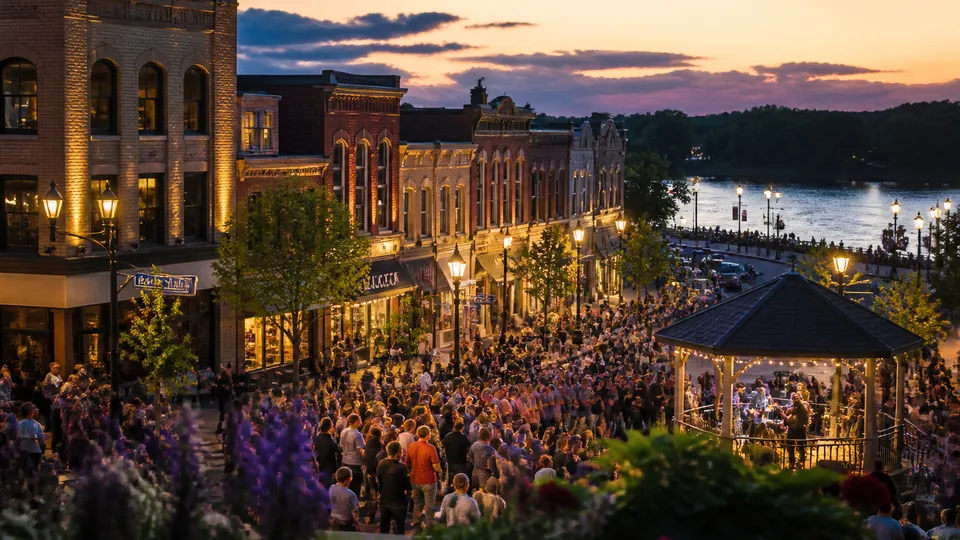
The riverfront has become another emblem of modest transformation. For years the Assiniboine River’s edge was underused. Now volunteers lead guided walks that interweave local ecology with Indigenous oral histories; a small bandstand hosts jazz quartets and powwow dance workshops; and a previously derelict lot hosts a seasonal community garden and farmers’ market, where produce sold by local growers circulates directly back into neighbourhood kitchens.
Perhaps the most consequential change has been cultural: local residents have become project leaders, not just stakeholders. The initiative’s governance model is intentionally porous. A steering committee includes two seats reserved for youth, two for Indigenous representatives and rotating seats for merchants and renters. "Participation is not performative here," says Mayor Lisa Thompson when we speak on the verandah of the renovated market hall. "It means sharing power over budgets and timelines. That has earned trust." The mayor cautions against romanticizing the work: "There are hard choices about which buildings to invest in and which to let go. But we are making those choices together."
The economic impact is incremental but measurable. Vacancy rates in the downtown corridor have fallen; a handful of new enterprises — a ceramics studio, a bike repair co-op, a bistro sourcing from Westman farms — report steady foot traffic. Importantly, the project has prioritized living-wage jobs and local ownership. Support for storefront incubators includes short-term reduced rent, business mentoring and a small grant for equipment. "The goal isn’t rapid gentrification," explains Desjardins. "It’s creating a place where people can afford to start and stay."
There are tensions. Some longtime residents worry about rising rents; developers press for denser projects that could alter the neighbourhood’s scale; and the climate of global capital complicates ambitions to keep ownership local. Yet the project’s resilience lies in its adaptability. When an upscale proposal threatened to replace a beloved community center, neighbors launched a legal cooperative that purchased the property, demonstrating how civic creativity can counter market logic.
Looking forward, Brandon’s initiative is pivoting toward systemic questions: affordable housing above ground-floor retail, improved transit links with surrounding towns, and climate-resilient landscaping along the river. A ten-year plan under discussion emphasizes durable stewardship over flashy headlines: maintenance endowments for heritage buildings, expanded trades training, and a revolving fund to seed new resident-led enterprises.
The work is, at its best, quietly audacious. It insists that the future of a regional centre need not be decided solely by spreadsheets and developers but by people who inhabit its alleys and porches. "We are learning how to be a city with a small town’s heart," says Redsky. "That takes time. It asks us to repair not just buildings but relationships."
On an evening when the café closes and the river glints under sodium lamps, a storyteller and a musician set up on the bandstand and people gather. The crowd is diverse in age, lineage and occupation — students, farmers, municipal workers, elders. They have come together not because a single leader told them to, but because a series of modest, persistent decisions made this place hospitable. That cumulative dignity, perhaps more than any new storefront, is the project's real currency.